
Dental Implants and Oral Health: Could Your New Teeth Get Cavities?
January 26, 2026
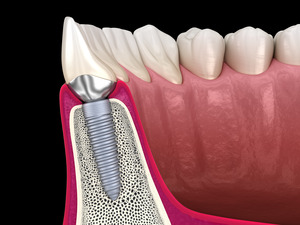
Dental implants look and feel very natural, which is a major reason why they’ve become such a popular option for replacing missing teeth. But just how far does the resemblance go? Can dental implants also develop cavities the way your natural teeth can? It’s important to have all the facts so that you can protect your rebuilt smile; as such, here are the basics of what you need to know when it comes to dental implants and your oral health.
Is It Possible for Dental Implants to Get Cavities?
Cavities occur when acids produced by harmful oral bacteria gradually erode the enamel protecting your natural teeth. However, dental implant posts and the artificial teeth they support are not made out of enamel; instead, they are created using high-quality materials that are known to resist erosion. As such, you don’t have to worry about your dental implants developing cavities.
What About Other Oral Health Issues?
Even though dental implants are not susceptible to tooth decay, it’s still possible for the tissues around them to develop gum disease. When left alone for too long, gum disease can significantly weaken the bone and gum tissues responsible for supporting your implant posts. This can ultimately result in dental implant failure.
How Can You Take Care of Your Dental Implants?
If you want to keep your dental implants safe from gum disease, you need to make a point of practicing excellent oral hygiene. Here are some tips for taking care of your implant posts and the area around them:
- Brush Regularly: You should thoroughly brush your teeth at least two times every day. Remember to use a toothbrush that has soft bristles; hard bristles could scratch your prosthesis.
- Floss Daily: Flossing can help you get rid of the bacteria and food particles that might be hiding in the hard-to-reach spaces around your dental implants. If you have trouble flossing the traditional way, consider using a floss threader or a water flosser.
- Visit Your Dentist: If you visit your dentist twice a year for a checkup and cleaning, they can remove plaque and tartar from the areas in your mouth that you might have overlooked while brushing and flossing. They can also check for warning signs of gum disease; identifying the problem early can make it significantly easier to treat.
In summary, dental implants cannot get cavities, but that doesn’t mean you don’t need to take care of them. Make sure you’re maintaining the right oral hygiene habits so that you can keep your rebuilt smile in excellent condition.
About the Author
Dr. William J. Twohig has well over four decades of dental experience. He takes a natural and holistic approach to dentistry where he strives to avoid altering any other part of the body with what he puts in a patient’s mouth. At his practice in Weyauwega, he can place and restore dental implants in-office in order to replace any number of missing teeth. If you’re interested in filling in the gaps in your smile with dental implants, you can schedule an appointment with Dr. Twohig by visiting his website or calling (920) 867-3101.
No Comments
No comments yet.
RSS feed for comments on this post.
Sorry, the comment form is closed at this time.